Kilimanjaro Climbing
5 Days Kilimanjaro Climb – Marangu Route
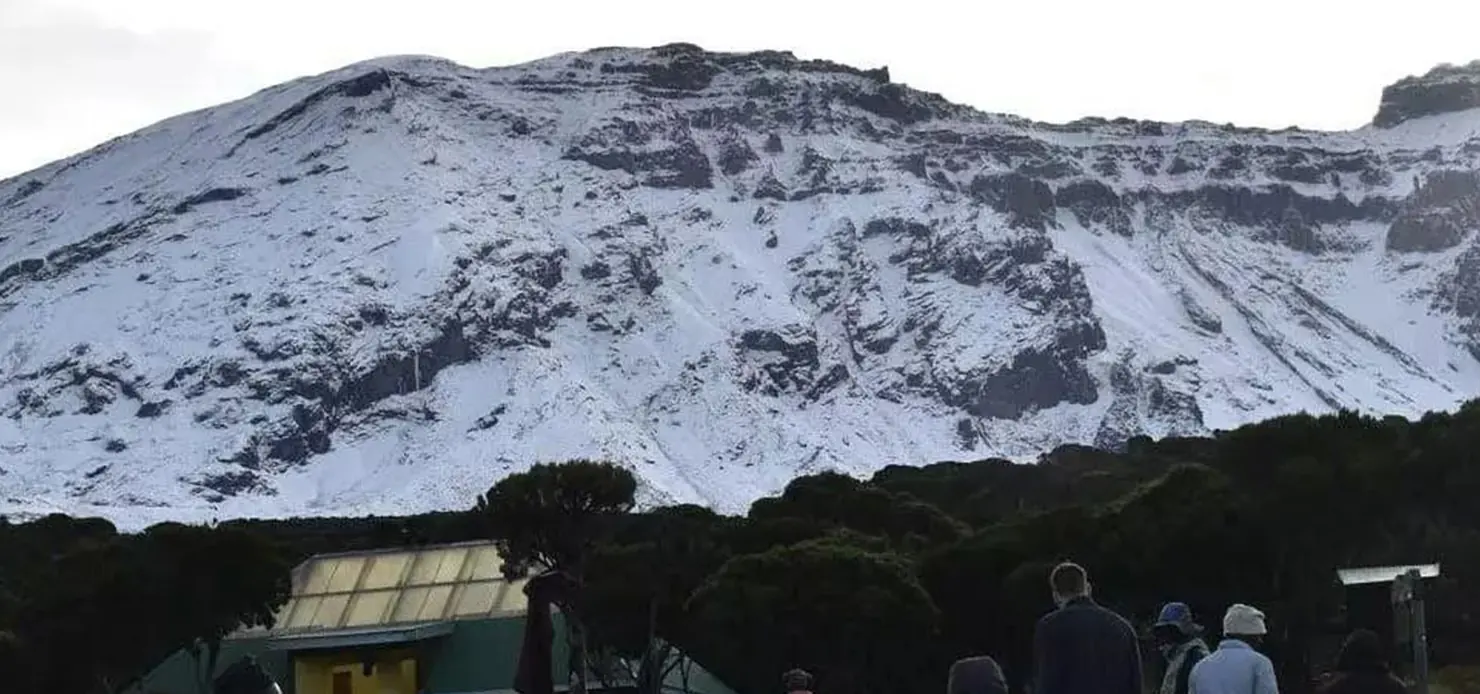
The fastest way up Kilimanjaro, sleeping in mountain huts on the classic 'Coca-Cola' route.
Climb Africa's highest mountain with local Moshi guides
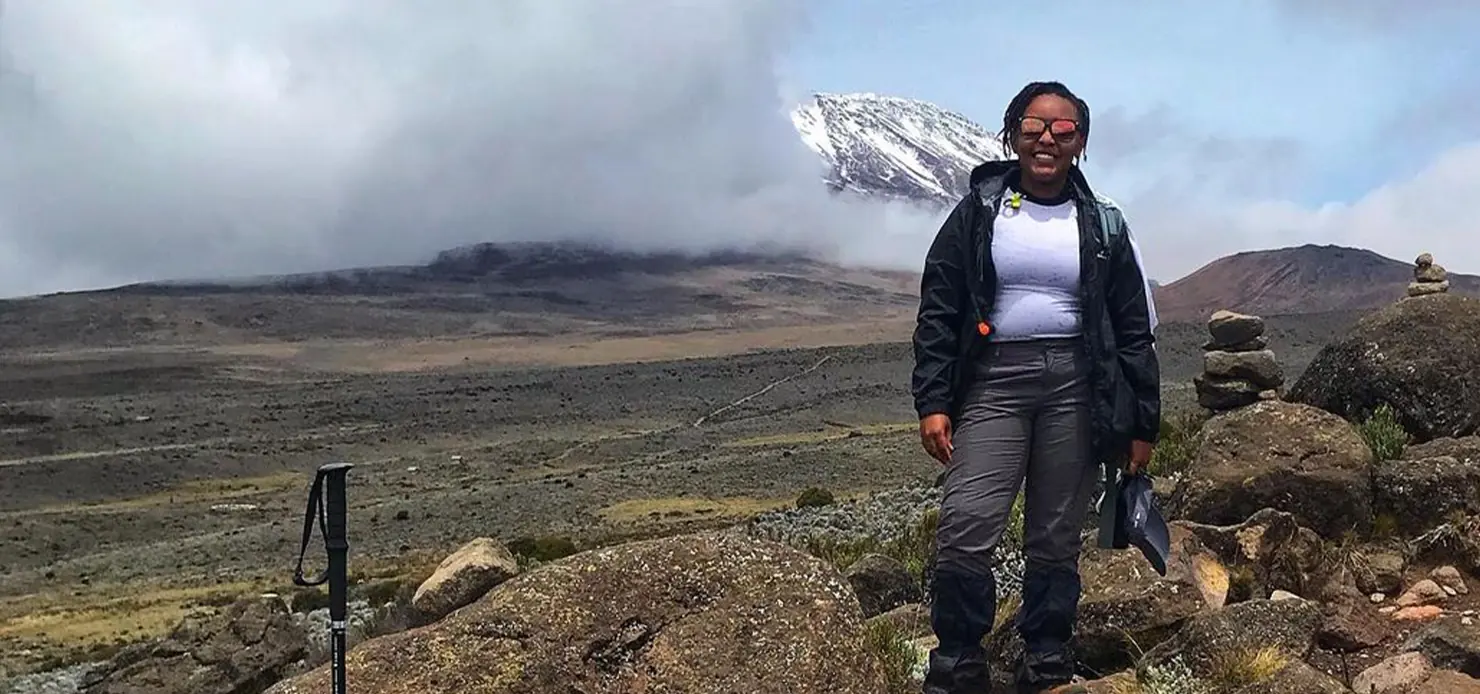
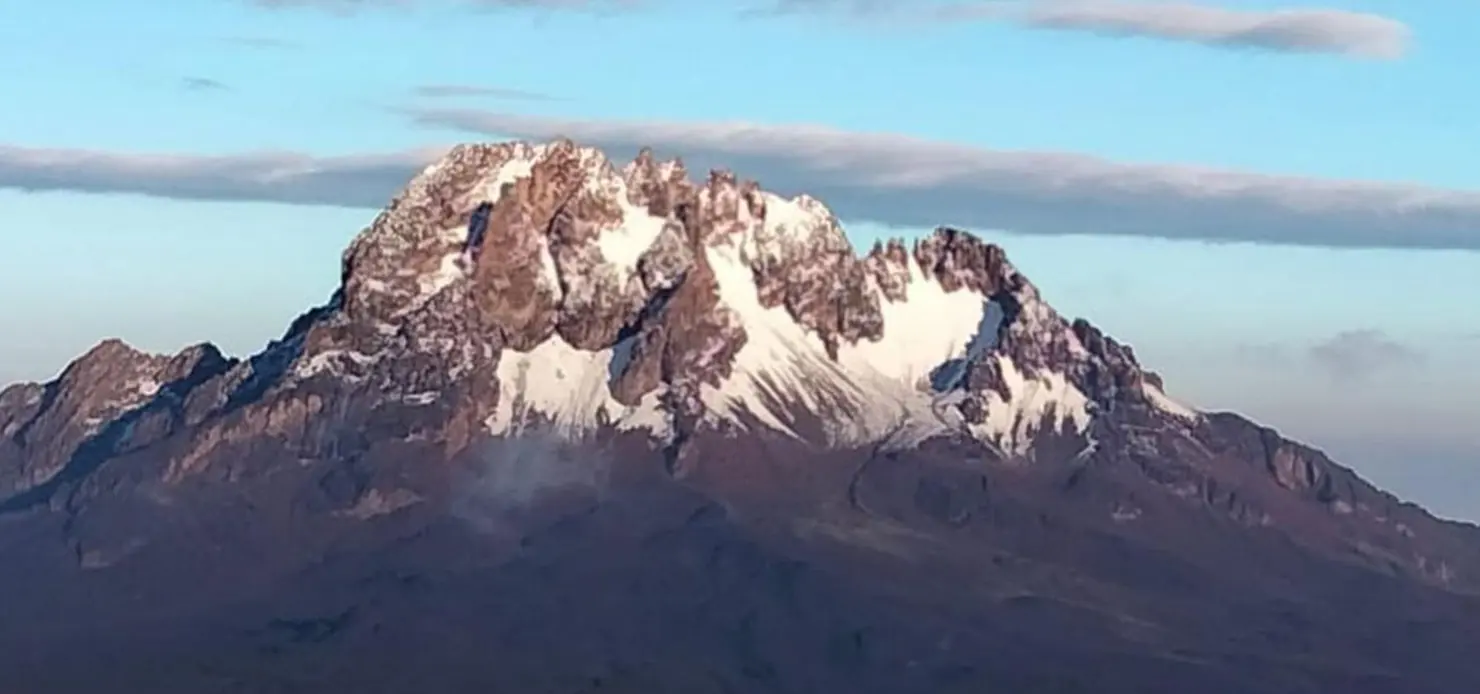
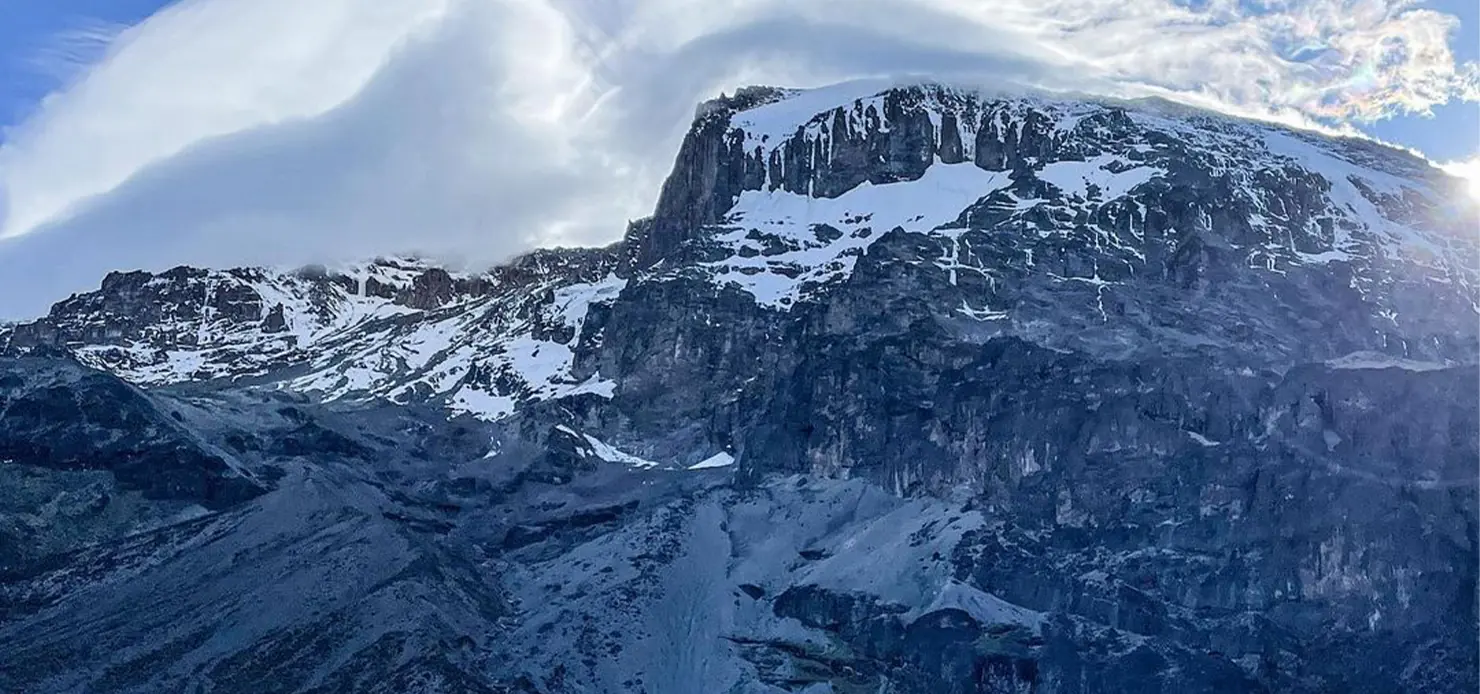
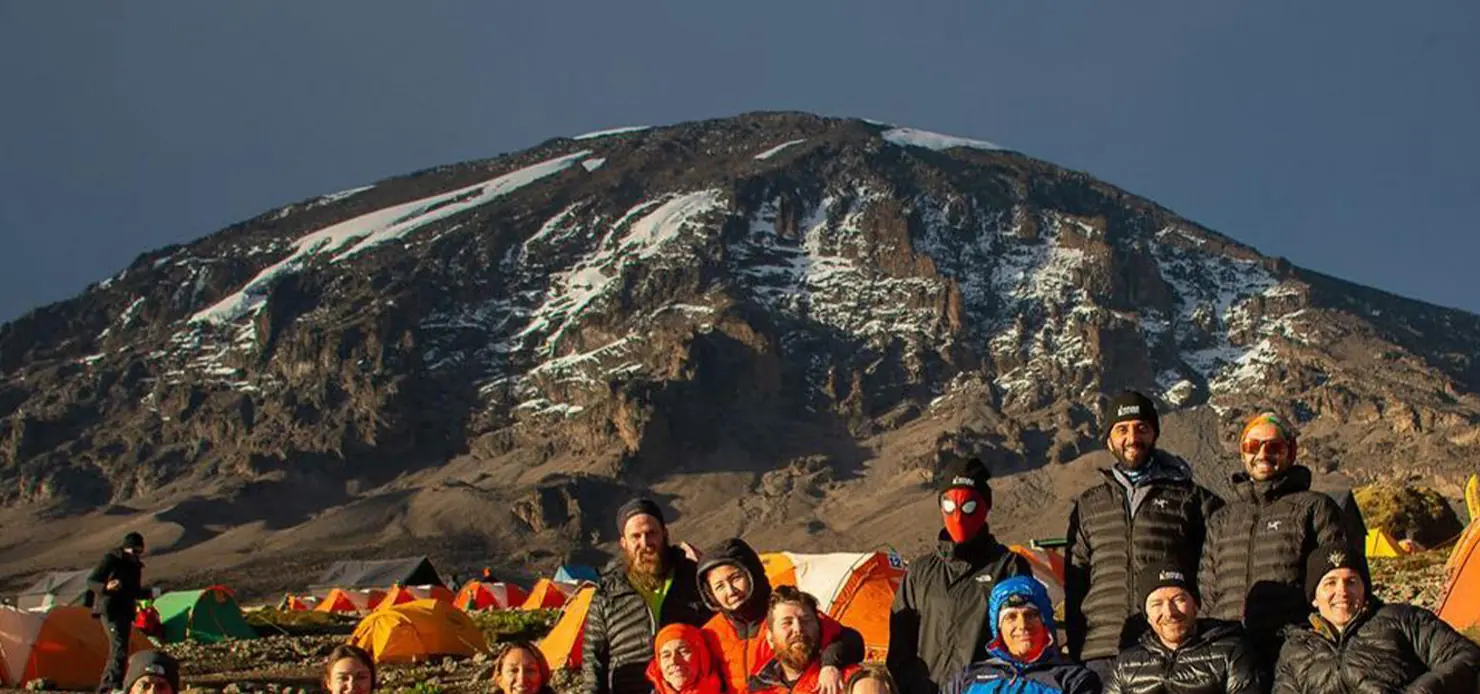
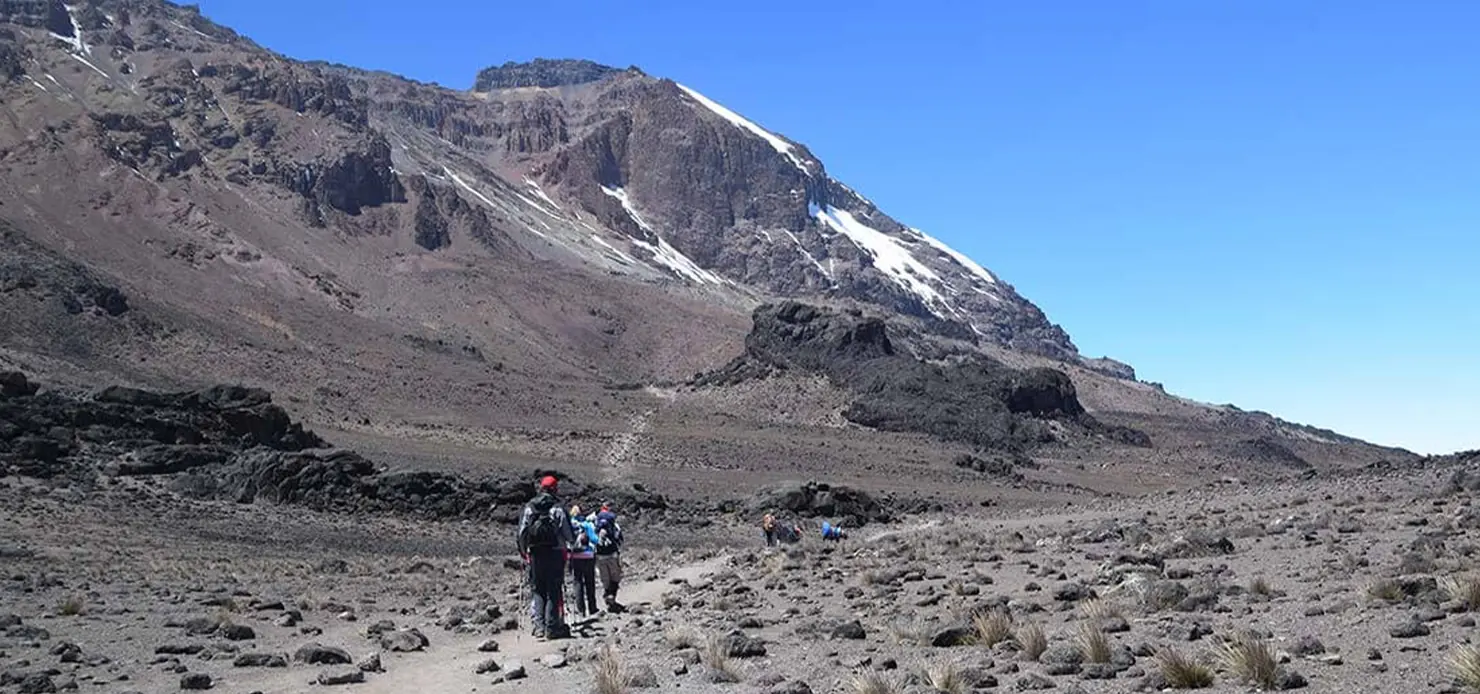
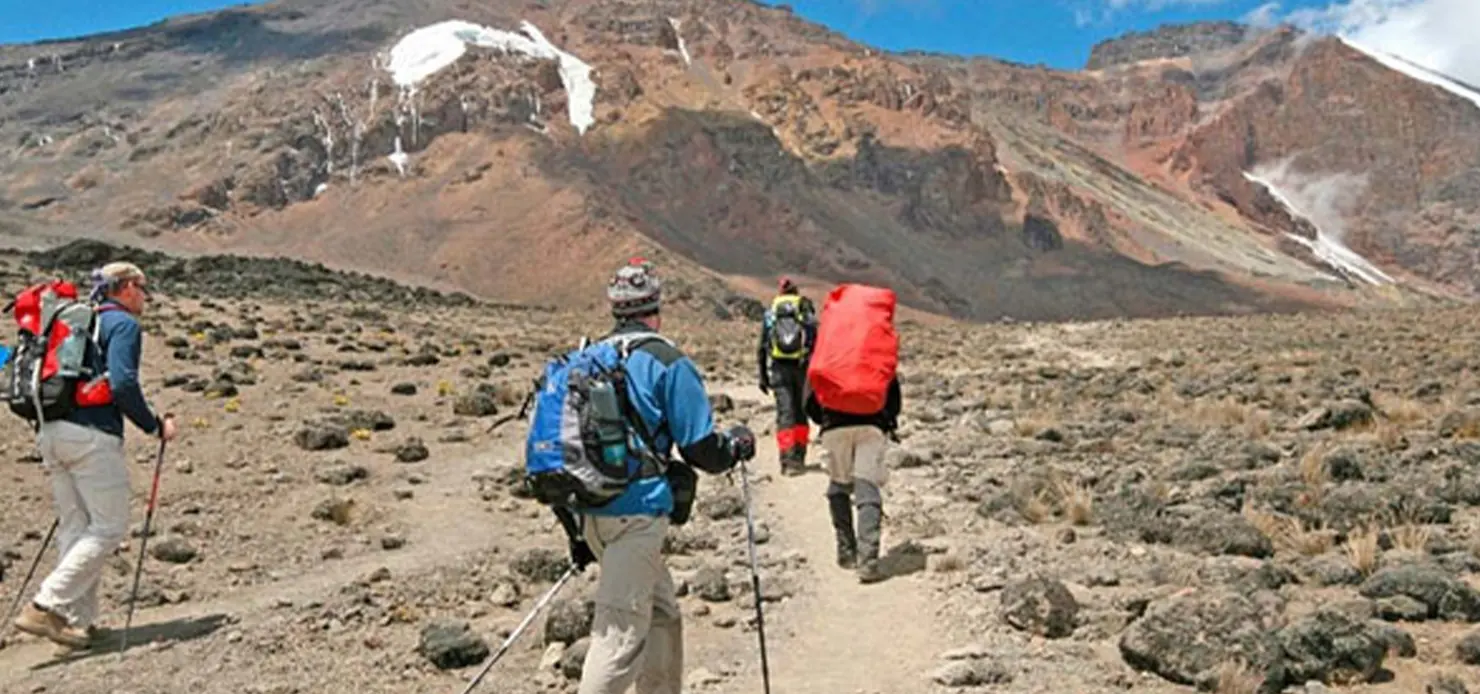
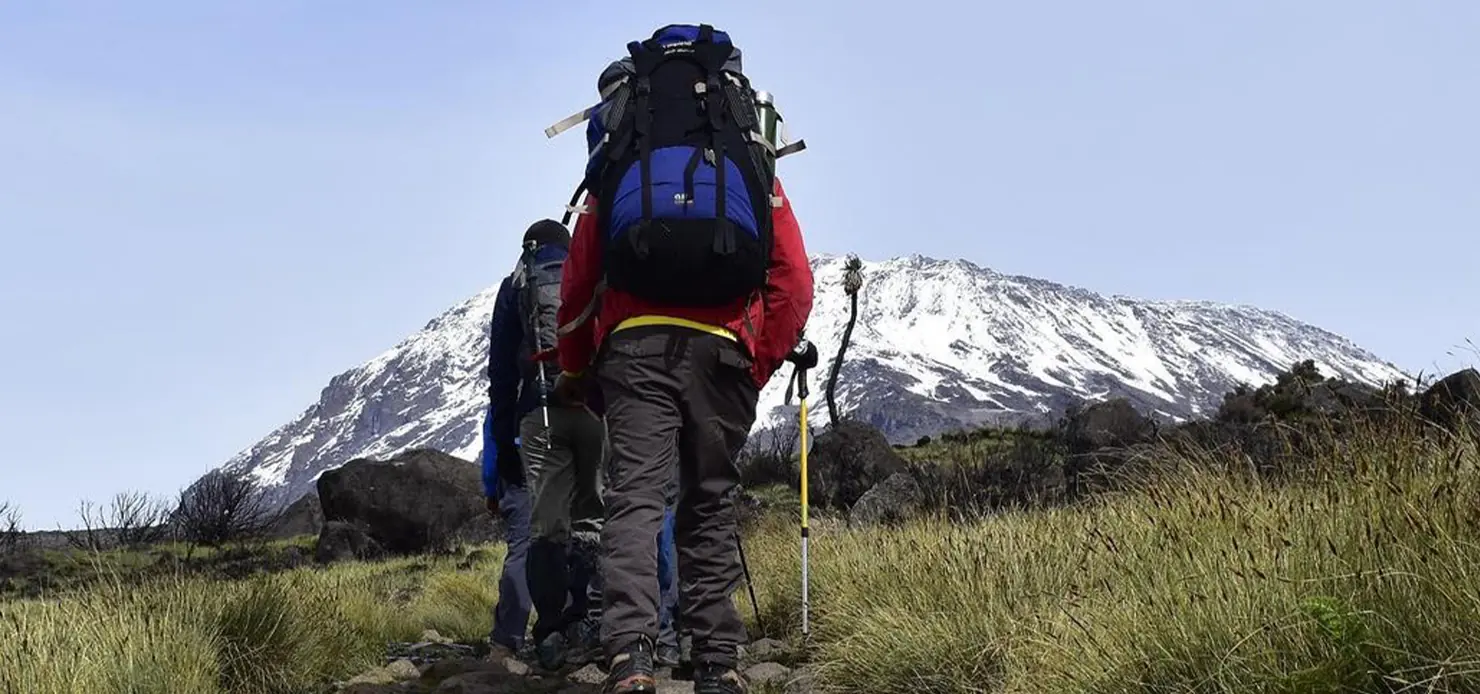
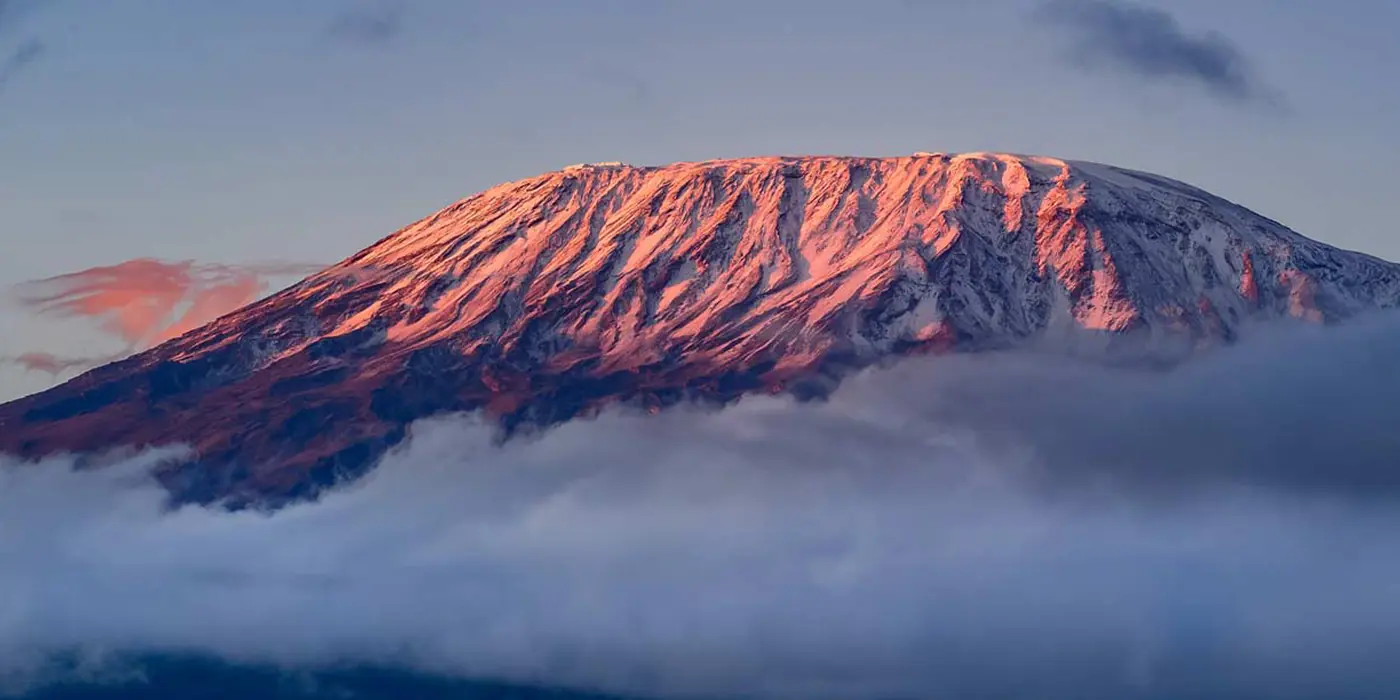
Standing 5,895 m above the plains, Kilimanjaro is the highest free-standing mountain in the world and one of the few great summits you can reach without technical climbing skills. What you do need is a good team, enough days to acclimatise and the right route for your fitness and budget.
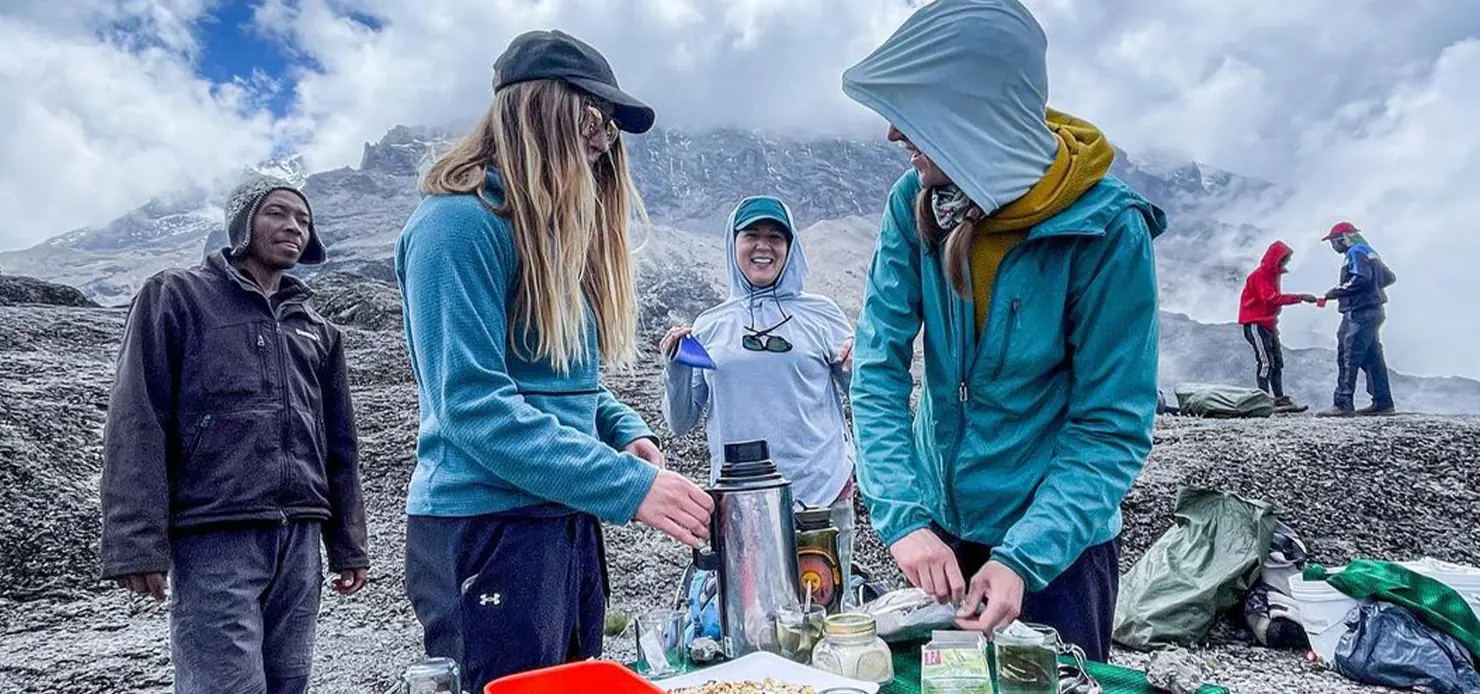
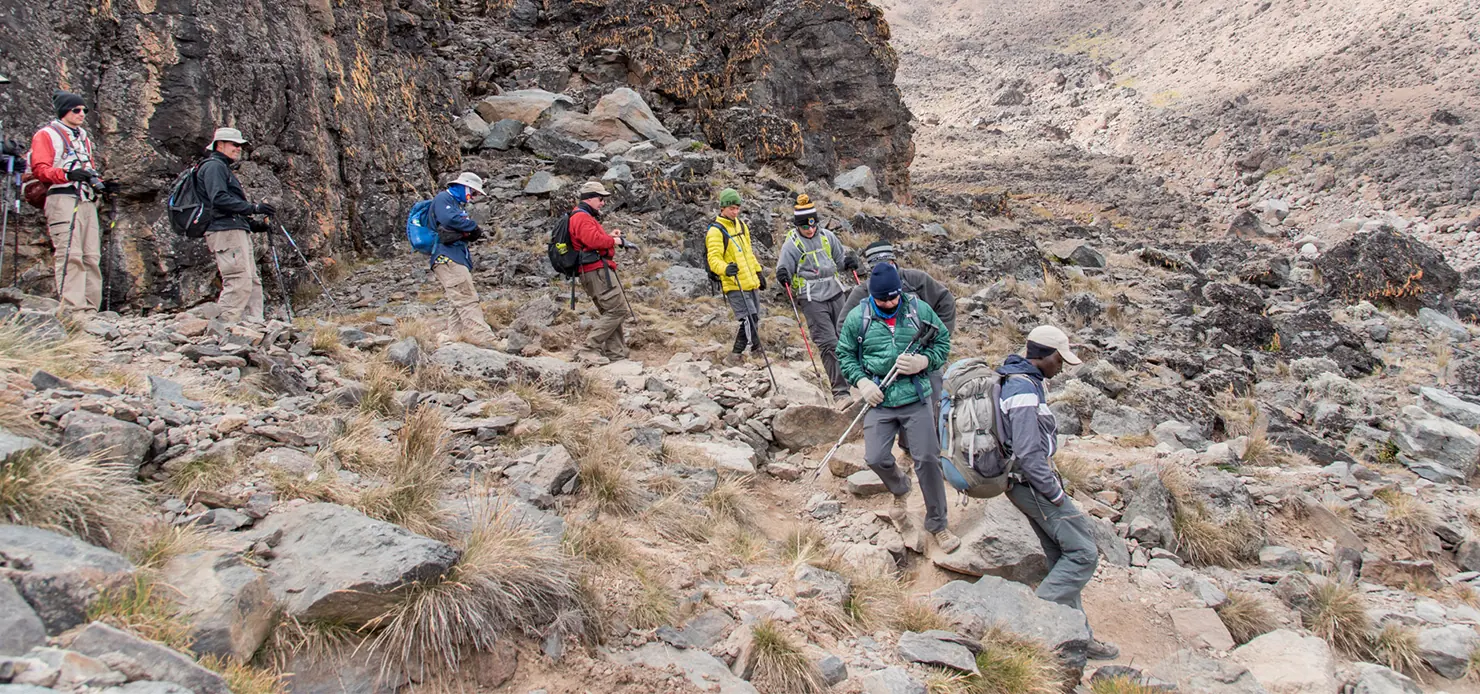
Our mountain crew lives at the foot of the mountain in Moshi. We run every climb ourselves, with experienced guides, well-fed and fairly paid porters, quality four-season tents and daily health checks. Choose a longer route for the best summit chances, or join one of our group departures to share the cost.
12 trips
Kilimanjaro Climbing
The fastest way up Kilimanjaro, sleeping in mountain huts on the classic 'Coca-Cola' route.
Kilimanjaro Climbing
The hut route with an extra acclimatisation day at Horombo for a much better chance of reaching the summit.
Kilimanjaro Climbing
The scenic 'Whiskey' route in six days, for fit hikers with limited time.
Kilimanjaro Climbing
Our most popular climb: rainforest, Shira Plateau, Lava Tower and the Barranco Wall, with an extra day to acclimatise.
Kilimanjaro Climbing
A quiet, gradual route from the north near the Kenyan border, good in the rainy season.
Kilimanjaro Climbing
The Rongai route with an acclimatisation day at Mawenzi Tarn for higher summit success.
Kilimanjaro Climbing
The steepest and most direct route, for experienced and very fit trekkers.
Kilimanjaro Climbing
A beautiful western approach through remote rainforest and across the Shira Plateau.
Kilimanjaro Climbing
Our favourite route: quiet, stunning and long enough for excellent acclimatisation and summit success.
Kilimanjaro Climbing
Circle the quiet northern slopes of Kibo on the longest and least crowded route.
Kilimanjaro Climbing
The Northern Circuit with an extra day: the highest summit success rate on the mountain.
Kilimanjaro Climbing
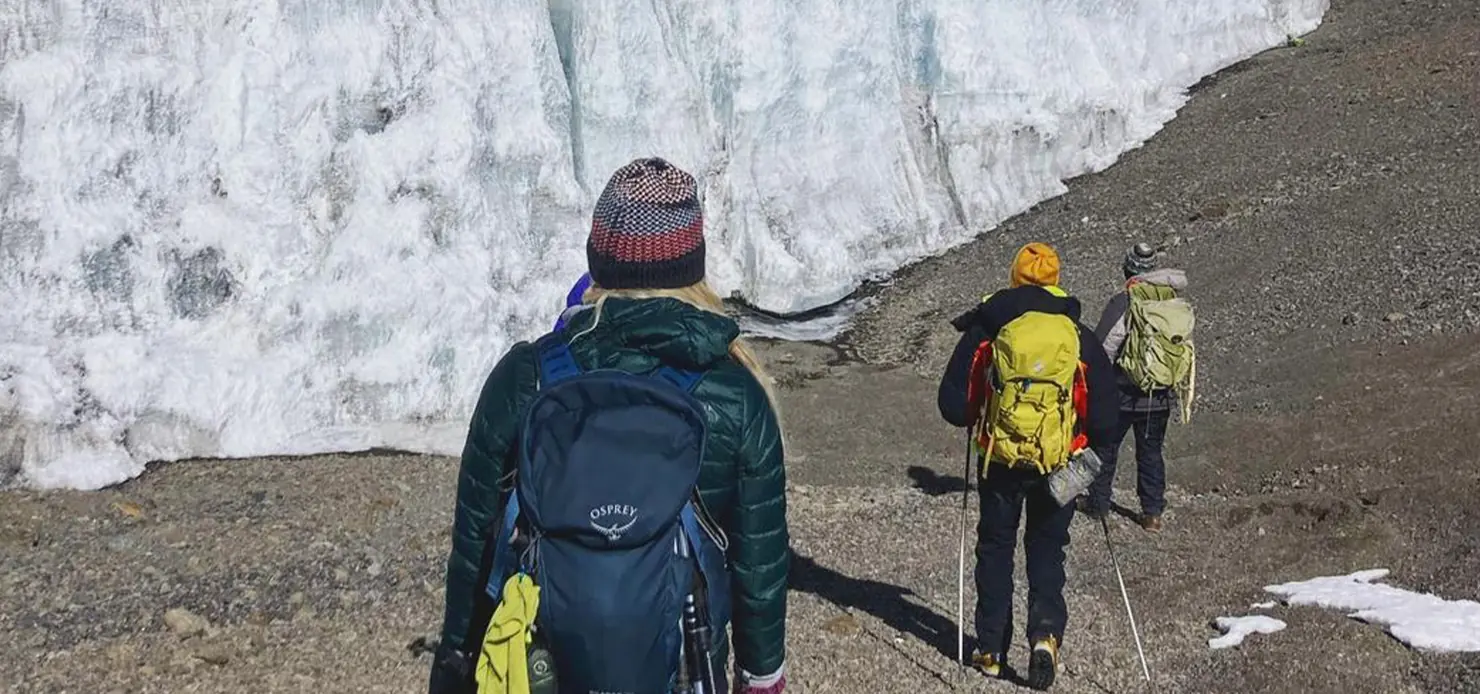
A challenging summit via the Western Breach with a night at Crater Camp beside the glaciers.
Every itinerary can be tailored. Tell us your dates, group size and budget and we'll design a trip just for you.
The driest and most popular months are January to early March and June to October. You can climb all year round, but April, May and November bring more rain on the lower slopes.
Most climbs take 6 to 9 days on the mountain. Longer routes such as the 8-day Lemosho or the Northern Circuit give your body more time to adjust to the altitude and have much higher summit success rates.
No technical experience is needed. Kilimanjaro is a long trek, not a technical climb. Good walking fitness, a slow pace ('pole pole') and enough days to acclimatise matter far more than mountaineering skills.
For most people we recommend the 7-day Machame or the 8-day Lemosho route: both are scenic and have good acclimatisation profiles. Marangu is the only route with huts instead of tents, Rongai is quieter and drier, and the Northern Circuit is the longest with the best success rate.
Our porters are local people from the Kilimanjaro region. We pay fair wages on time, limit the weight they carry, provide proper food, tents and warm clothing, and make sure they share in the tips.
Mild headaches and tiredness are normal at altitude. Our guides check your health every day, carry oxygen and a first-aid kit, and will always bring you down if it is not safe to continue. Choosing a longer route is the best way to avoid problems.